
Behoztak a budapesti rabbiságra egy régi Tóratekercset, amit kinyitva nagyon érdekes betűtípusokat fedeztünk fel.
Ezek a különleges díszek nem minden egyes betűnél tűnnek fel, hanem csak alkalomadtán. Talán a szavak értelméhez van köze, ám mivel ezek – szerintem misztikus jelölések, ezért nem tudom az okát.
An old Torah scroll was recently brought to the Budapest Rabbinate, and when we opened it, we discovered some highly unusual forms of lettering.
These distinctive decorative features do not appear on every occurrence of the letters in question, but only occasionally. They may perhaps be connected to the meaning of particular words. However, since I suspect that these are mystical or kabbalistic markings, I am unable to explain their precise significance or the reason for their use.
Szeretnék bemutatni néhány példát!
I would like to present a few examples.
1.
A „vájálbisém” és „bőr ruhába ÖLTÖZTETTE őket” „lámed” betűjén kis zászló látható.
felette és alatta is látható 2-2 lámed, amit ez a dísz nincs fent.
In the word va-yalbishem (“and He clothed them”) — in the phrase “He clothed them in garments of skin” — the letter lamed bears a small, flag-like ornament.
What makes this particularly striking is that two other lameds can be seen immediately above and two below it, none of which bear this decoration. This clearly suggests that the ornament is not simply a standard scribal feature of the letter lamed, but was added deliberately in this particular instance.
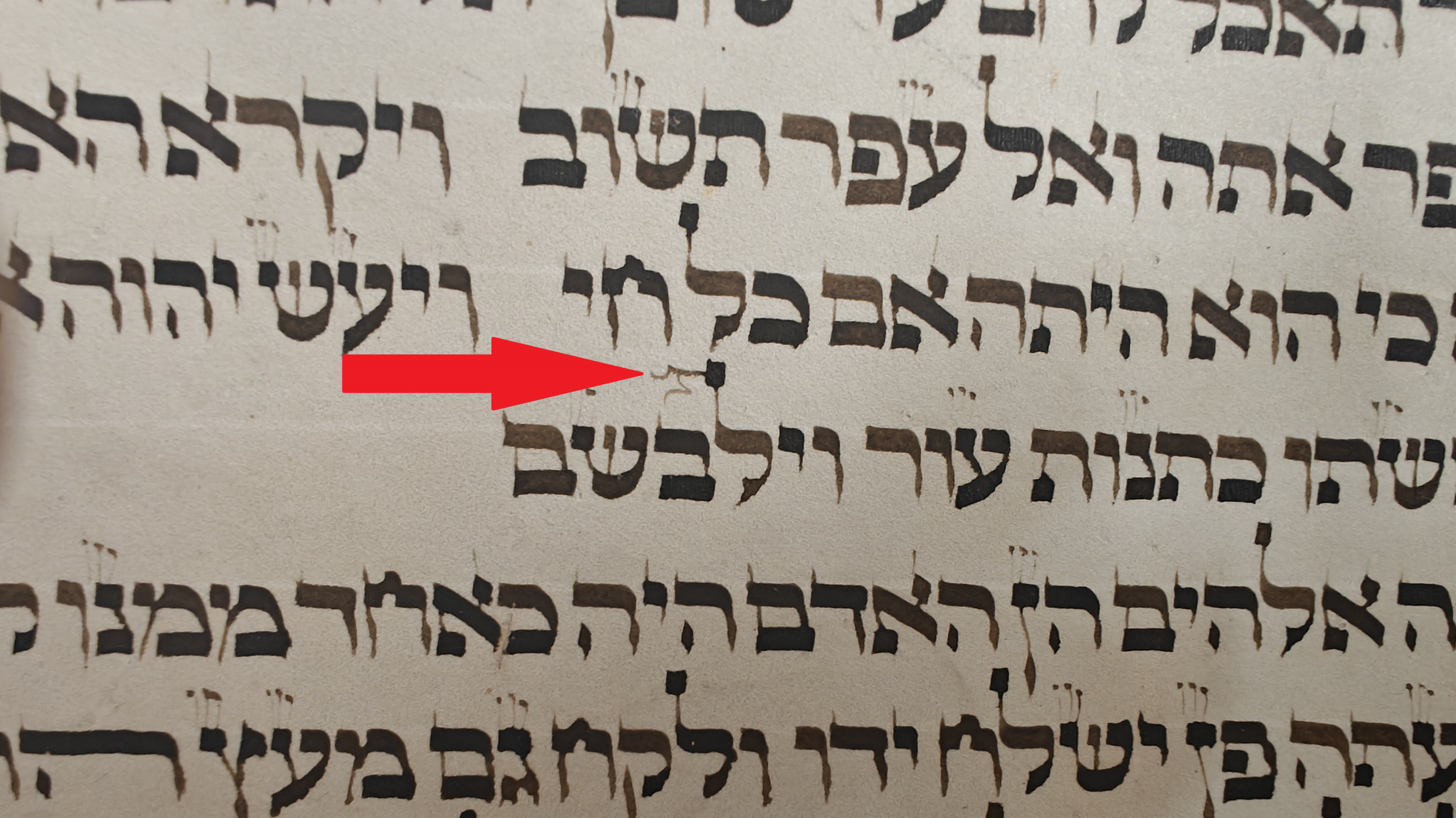
És már ennél a példánál is szeretném kihangsúlyozni, hogy a Tóra tekercsben 2-3 „space”-nyi szünet van a mondatok végén, amit én még sohasem láttam. Ez nagyban megkönnyíti a Tóra felolvasását az olvasónak, hiszen a „szof pészuk”-on nem kell gondolkodnia.
Already in this example, I would like to highlight another unusual feature: throughout the Torah scroll, there is a space equivalent to approximately two or three letter-widths at the end of each verse. This is something I have never encountered before.
It makes the public reading of the Torah considerably easier for the ba’al koreh, since the location of the sof pasuk is immediately apparent and does not need to be determined while reading.
2.
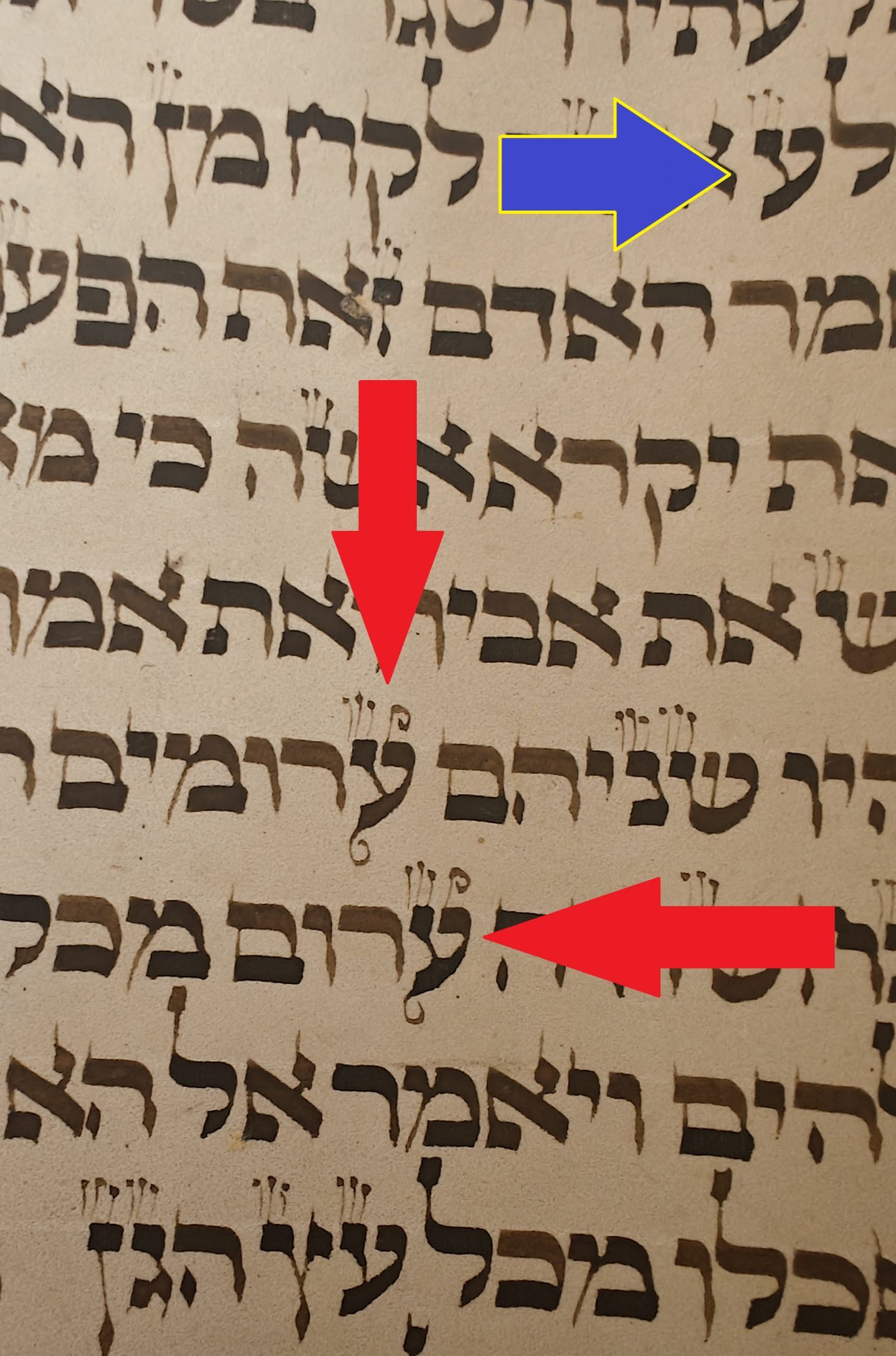
A következő példa szintén a vétekkel kapcsolatos. Az „árum” azaz „mezítelen” szó két alkalommal is egy alsó, különleges dísszel van ellátva. (Fent, kék nyíllal jelöltem a „normális” ájint.)
The next example is likewise connected with the sin. The word arum, meaning “naked,” appears twice with an unusual decorative feature extending below the letter ayin.
For comparison, I have marked a “normal” ayin above with a blue arrow, where this distinctive ornament is absent.
3.
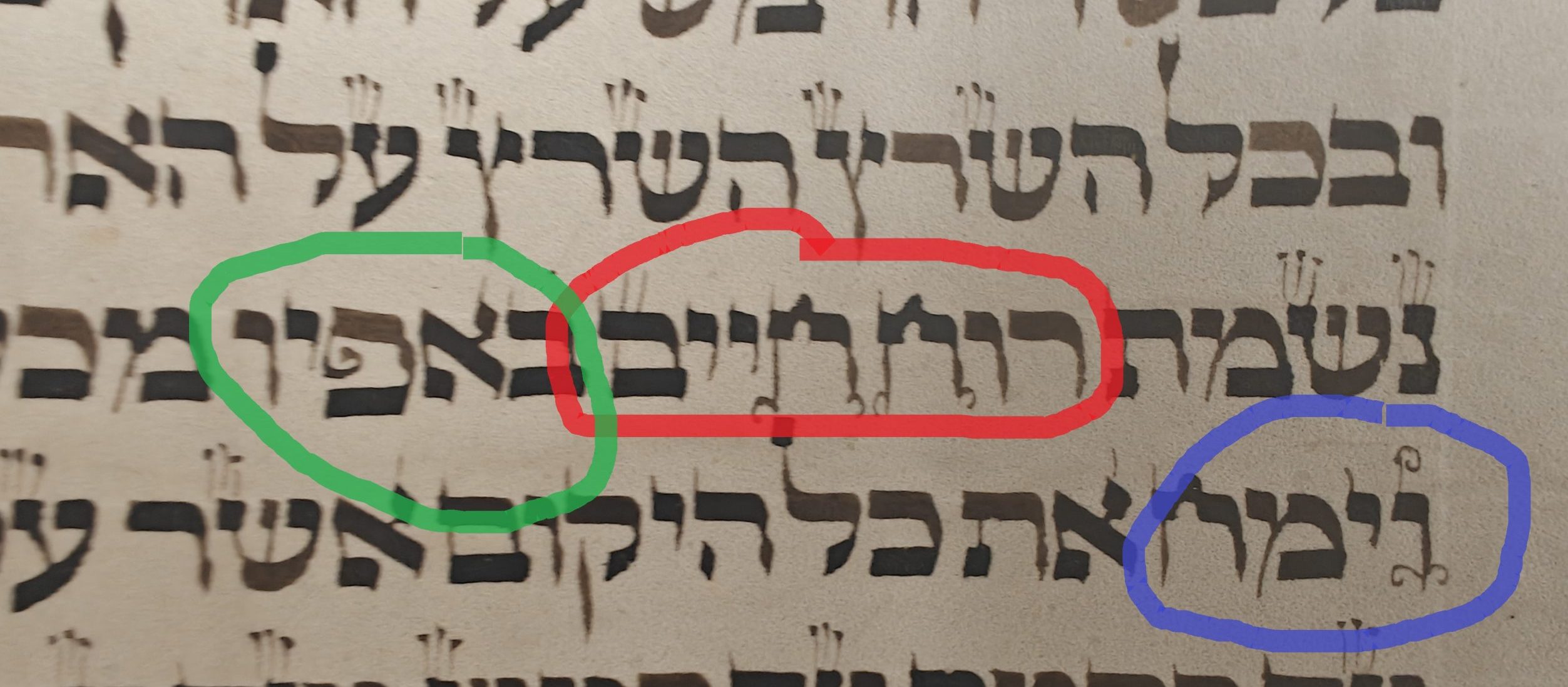
A következő példában – amit Noé történeténél találtam – 3 különlegesség is van!
A „ruáh hájim” az „élet/élő lélek”, amit Isten bele lehelt az ember orrába, mindkét „chet” betűjének van egy alsó kapaszkodója. (piros jelzés)
Az „beápáv / orrában” „pé” betűjében is csodaszép mintázat van. (zöld jelölés)
Míg a „vájimáh / és eltörölte” szó „váv betűje szintén kis gyökerekkel kapcsolódik a földbe. (kék jelölés)
The next example, which I found in the story of Noah, contains no fewer than three unusual features.
In the expression ruach chayim (“the breath/spirit of life”) — referring to the breath of life that God breathed into man’s nostrils — both letters chet have a distinctive downward-extending, hook-like ornament. (marked in red)
The letter peh in be-apav (“in his nostrils”) also contains a remarkably beautiful and intricate decorative pattern. (marked in green)
Finally, in the word vayimach (“and He blotted out”), the letter vav likewise has small root-like extensions reaching downward, almost as though they were anchoring the letter into the earth. (marked in blue)
4.
Itt egy új furcsa betűt látunk: egy visszatekeredő „tet” betűt. Engedtessék meg egy személyes megjegyzés: ilyen díszítést én eddig még soha nem láttam. A betű a „tov / jó” szóban látható. (lila jelzet)
A díszes „pé” betű itt is előfordul, és ebben egy szóban látjuk a korábban már megfigyelt „kapaszkodó” „het” betűvel. Mindkettő a „vátipákhá / és felnyíltak szemeik” szóban látható. (sárga jelzet)
Látható, hogy a mondatban van több „pé” betű is, de nem díszesek. (zöld jelzet)
Here we encounter another unusual letterform: a tet with a distinctive backward-curling stroke. If I may add a personal observation, I have never before seen this particular form of ornamentation in a Torah scroll. The letter occurs in the word tov (“good”). (marked in purple)
The ornate peh appears here as well, and remarkably, within the very same word we also find the distinctive “hooked” chet that we observed earlier. Both occur in the word vatipakachna (“and [their] eyes were opened”). (marked in yellow)
It is particularly noteworthy that several other instances of the letter peh appear in the same verse, yet these do not bear the special ornamentation. (marked in green)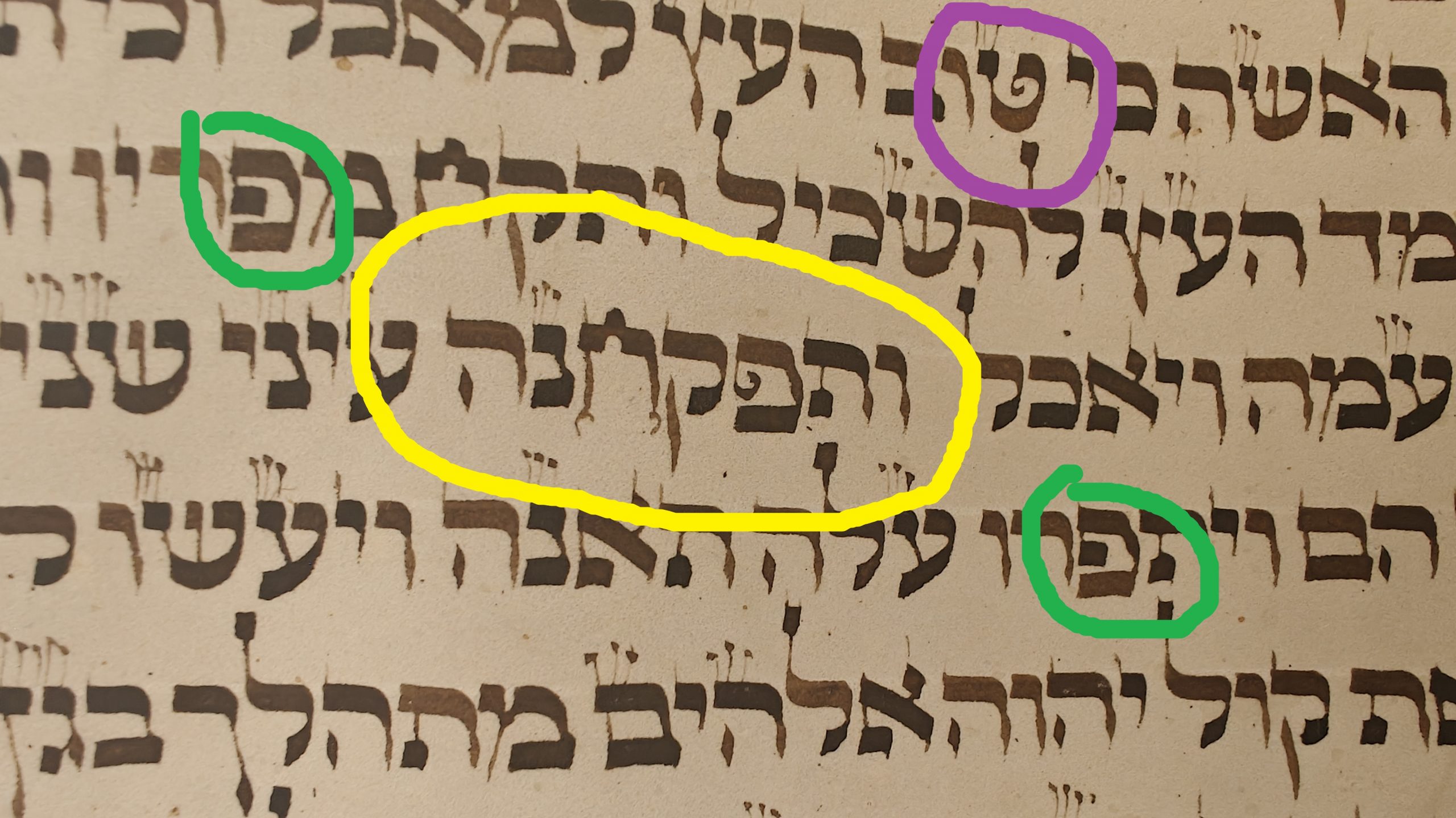
5.
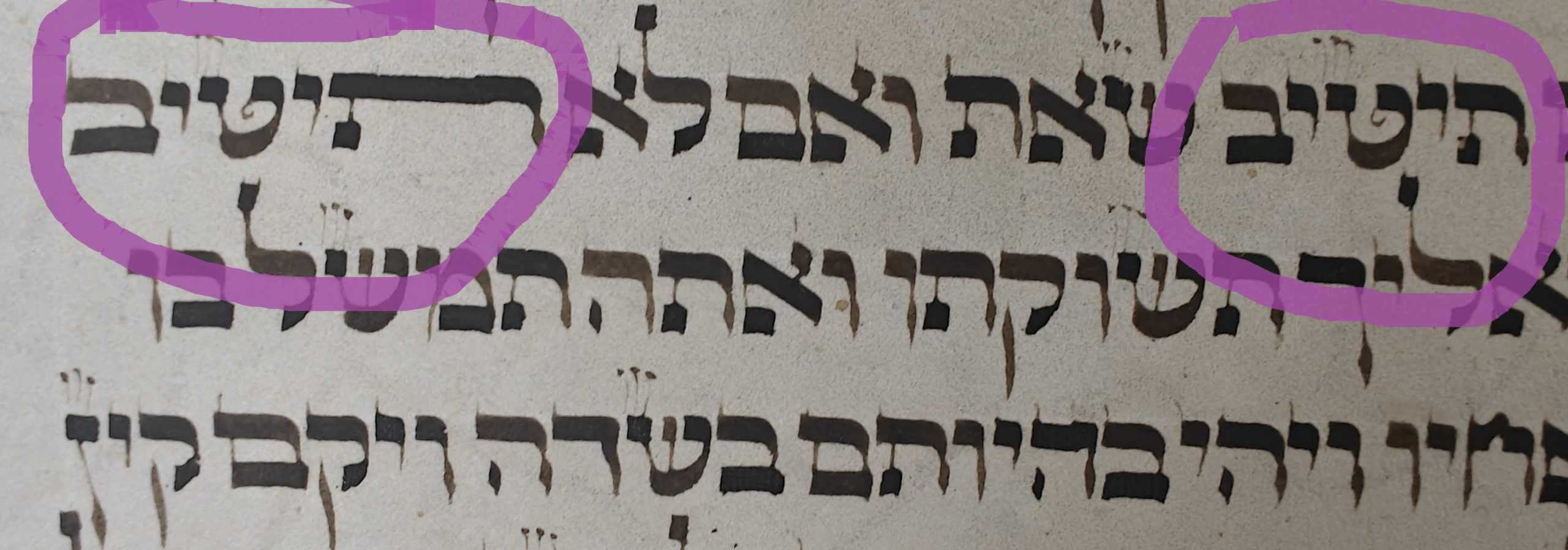
Hasonlóan az előzőhöz, itt is a visszatekeredő „tet” betű az érdekes. És ugyanannál a szógyöknél látható, mint az előző részben: „tov / jó”.
A tórai szöveg a Káinnak szóló híres isteni figyelmeztetés az ajtó előtt heverő bűnről (1M 4:7), amin uralkodni kell.
(Ez az ismétlés különösen jelentősnek tűnik: a „tet” ugyanaz a kivételes alakja, két külön szövegrészben jelenik meg, mégis mindkét esetben ugyanahhoz a szóhoz, a „tov”-hoz kapcsolódik. Nehéz ezt az ismétlődést pusztán véletlennek vagy dekorációnak tekinteni. Véleményem szerint a speciális betűforma és a szó jelentése közötti szándékos kapcsolat van.)
This example becomes particularly intriguing when compared with the previous one. Once again, we encounter exactly the same highly unusual, backward-curling form of the letter tet — and, remarkably, once again it appears in the word tov (“good”).
This repetition seems especially significant: the same exceptional form of tet, which I have not encountered elsewhere, appears in two separate passages, yet in both cases it is associated with the very same word, tov. This makes it difficult to regard the ornamentation as merely accidental or decorative; it strongly suggests a deliberate connection between the special letterform and the meaning of the word.
In this second instance, tov appears in God’s famous warning to Cain: “If you do well…” (im teitiv), followed by the image of sin crouching at the door and Cain’s obligation to master it (Genesis 4:7).
6.
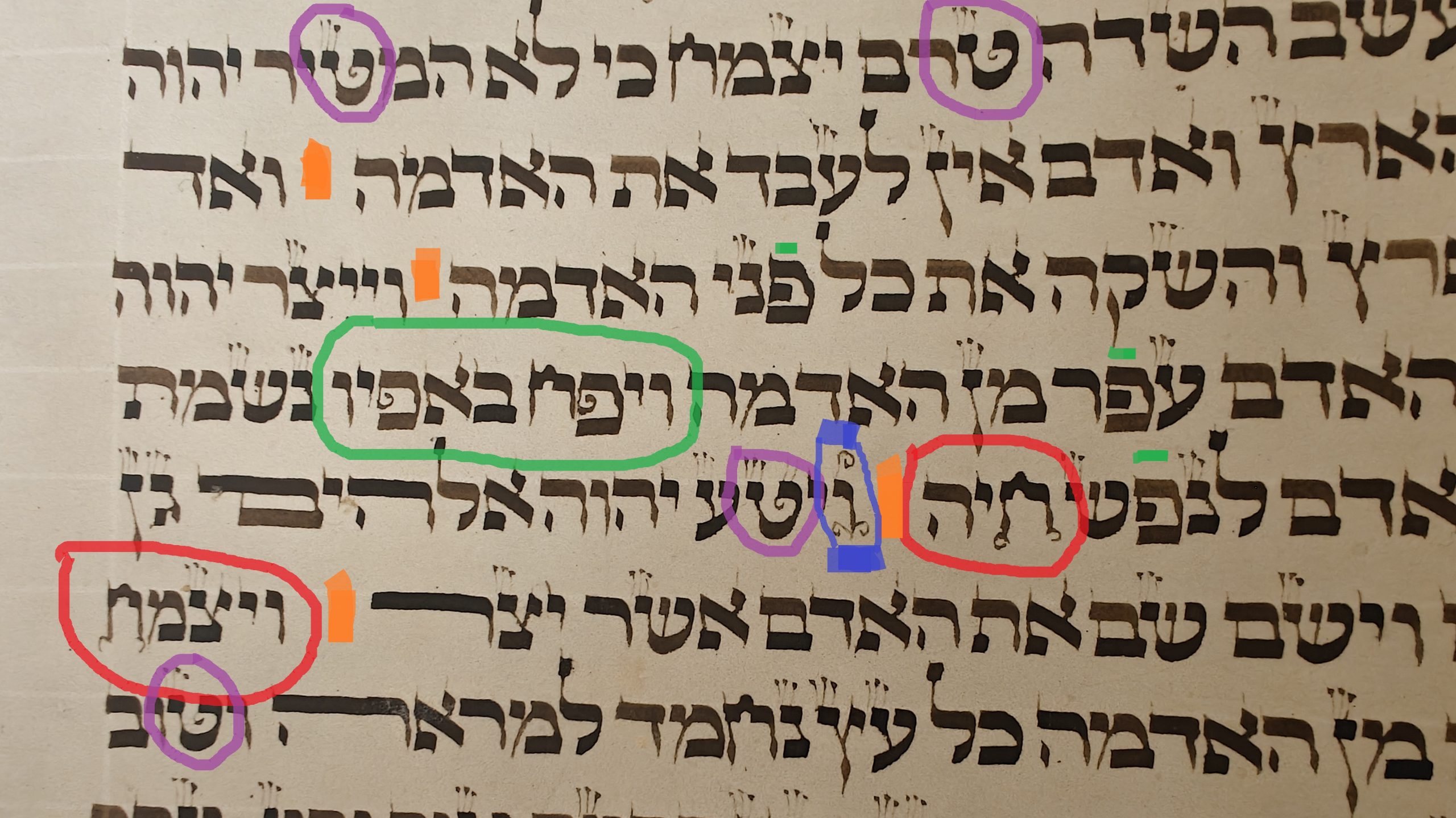
A következő példában, – ami az ember teremtéséről szól – szinte az eddig látott minden különlegesség feltűnik. Pirossal jelöltem az általam csak „kapaszkodó het”-nek nevezett kalligrafikus jelet. A „hájá/ élő lélek” és a „vájicmáh / és kisarjadt” szóban.
Zölddel karikáztam be a „vájipáh beápáv / belelehelt az orrába” szóösszetételt, ahol a tekeredő „pé” van. Maga a „pé” betű jelentése „száj”. Talán ez lehet a kapcsolódás? Mellette kis zöld vonallal jelöltem meg a többi „pé” betűt, amin nincs ez a mintázat.
Narancssárga vonallal jelöltem a mondatvégeket, ahol láthatóan rendhagyó méretű szünetet hagyott a szófer. A vallásjog (háláhá) – tudomásom szerint – nem ismeri ezt a mondatok közötti – olvasást támogató – rendkívüli szünet hagyást.
Kék téglalapba raktam egy virágzó „váv” betűt. Nem véletlenül használtam ezt a szót, mert maga a szó jelentése is erre utal „vájitá / elültet”.
És végül néhány szó a lila színű „tet” betűkről. Láthatóan 4 darab van. Természetesen a „tov/jó” szóban ott van. Ám mellette a „vájitá / elültet”, a „himtir / esőt hullajt” és a „terem jicmáh / még nem sarjadzott” szóban is a különleges „tet” betű található.
In the next example, taken from the account of the creation of man, we encounter almost all of the unusual features we have observed so far.
In red, I have marked the calligraphic form that I have been referring to as the “hooked chet.” It appears in chayah (“a living being/soul”) and in vayitzmach (“and [it] grew/sprouted”).
In green, I have circled the phrase vayipach be-apav (“and He breathed into his nostrils”), where we once again find the distinctive curling peh. The letter-name peh itself means “mouth.” Could there perhaps be a symbolic connection here between the form of the letter and the act of divine breath? I have also marked the other occurrences of peh nearby with small green lines; these do not display the same ornamentation.
The orange lines indicate the ends of the verses, where the sofer has clearly left unusually large spaces. To the best of my knowledge, halakhah does not recognize such extraordinary spacing between verses merely as an aid to the reader. This therefore appears to be another deliberate and highly unusual scribal feature of this particular scroll.
In the blue rectangle, I have highlighted what might be described as a “flowering” vav. I use the word “flowering” deliberately, since the word in which it occurs, vayita (“and He planted”), itself refers to planting and growth.
Finally, a few words about the tet letters marked in purple. Four examples are visible here. As we might now expect, the distinctive tet appears in tov (“good”), reinforcing the pattern already observed in the previous examples. Here, however, the same unusual form also occurs in vayita (“and He planted”), himtir (“caused rain to fall”), and terem yitzmach (“before [it] had yet sprouted”).
This last group is particularly intriguing: the exceptional tet is therefore not confined to tov. In this passage, it also appears repeatedly in words associated with planting, rain, and growth.
7.
És a végén, egy korábban már látott példára hasonlító betűn keresztül szeretnék egy gondolatmenetet elmondani.
Az „ájin” betű különleges kiemelése továbbgondolásra sarkallt.
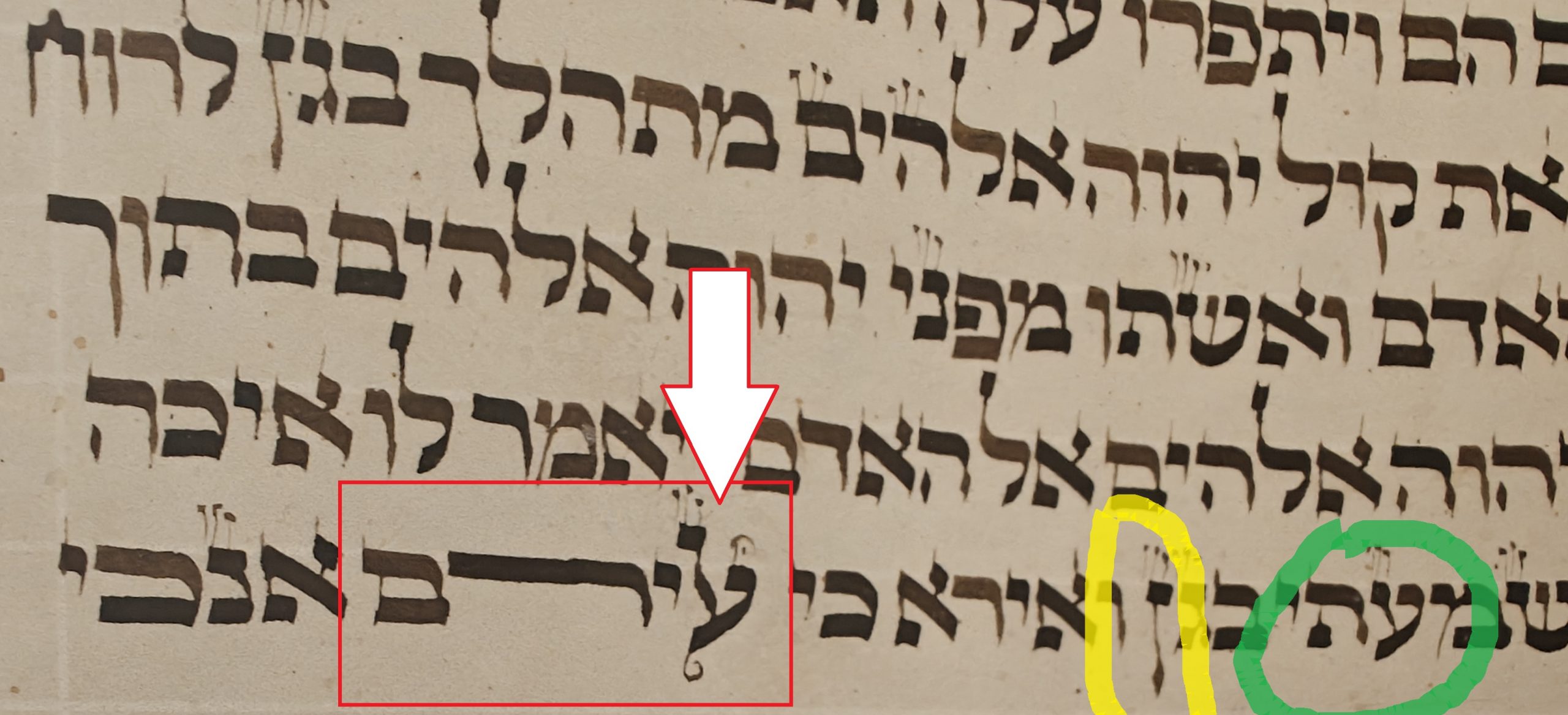
Láthatóan ez az „ájin” betű nem csak lefelé növesztett egy kis gyökeret, hanem felfelé is (lásd piros jelzés).
Az „ájin” betű bal oldali szára különleges formát kapott. (A „normális ájin” betűt zölddel jelöltem).
A mondat – amiben a szó található – jelképes: Ádám védekezése Isten előtt, miszerint ő mezítelen (érom) és ezért ő fél előlépni.
És a mezítelen (érom) szóban szerepel a különleges „ájin” betű, (mint a cikkem első példájában).
DE!!
Ez esetben van ez a plusz nyúlvány, ami egy oda helyezett „szóvégi nun” betű. (Sárgával jelöltem).
Mit is jelenthet számunkra ez az utalás?
A „nun” betűnek – a klasszikus bibliai hagyományban – van egy erős negatív asszociációja. Egyrészt a kígyóra utal, ami héberül „náhás”, azaz a nun betűvel kezdődik.
Másrészt összekötik a „nefilá / bukás, elesés” szó első „nun” betűjével.
A Talmud (Bráchot 4b) ezzel magyarázza, hogy az „ásré”, (a 145. zsoltár) alfabetikus akrosztichonjából hiányzik a nunnal kezdődő verssor.
A Talmud szerint a háttérben Ámosz próféta mondata áll:
נָפְלָה לֹא־תוֹסִיף קוּם בְּתוּלַת יִשְׂרָאֵל — „Elesett, nem kel fel többé Izrael szüze.” (Ámosz 5:2)
Azaz lehetséges, hogy a „érom / meztelen vagyok” szó „ájin” betűjébe belehelyezett „nun” betű akár a kigyóra és a zuhanásra is utalhat.
(Természetesen, ezt az állítást bizonyítani nem tudom.)
Finally, I would like to conclude with a possible line of interpretation, based on a letterform resembling one of the examples we have already seen.
The unusual treatment of the letter ayin prompted me to look more closely. Here, the ayin appears to have developed not only a small root-like extension downward, but also an additional extension upward (marked in red). Its left-hand stroke has also been given a highly unusual form. For comparison, I have marked a “normal” ayin in green.
The context in which this letter occurs is itself highly symbolic. Adam is explaining himself before God: he says that he is naked — erom — and that this is why he was afraid and hid himself.
And it is precisely in the word erom (“naked”) that we find this unusual ayin — just as we did in the first example discussed in this article.
But there is an additional feature here.
In this instance, the extra extension appears to form a final nun (nun sofit) embedded within, or attached to, the ayin itself. I have marked this element in yellow.
What might such an allusion signify?
In classical Jewish interpretive tradition, the letter nun carries a notable negative association. On the one hand, it may evoke the serpent, nachash, a word beginning with nun. On the other hand, nun is traditionally associated with nefilah — “falling” or “downfall” — which likewise begins with this letter.
The Talmud (Berakhot 4b) invokes precisely this association in explaining why Ashrei — Psalm 145, an alphabetical acrostic — contains no verse beginning with nun. The Talmud connects this omission with the words of the prophet Amos:
נָפְלָה לֹא־תוֹסִיף קוּם בְּתוּלַת יִשְׂרָאֵל – “Fallen, no more to rise, is the maiden Israel.” (Amos 5:2)
The opening word, naflah (“she has fallen”), begins with nun, thus associating the letter with the idea of falling.
This raises an intriguing possibility. Could the nun seemingly incorporated into the ayin of erom — “I am naked” — be an intentional allusion to both the serpent and the Fall? In the narrative of Adam’s sin, these associations would be particularly suggestive: the serpent precedes the transgression, while nefilah, the idea of falling, may be understood as expressing its consequence.
If so, the unusual letterform would function as a kind of visual midrash: the calligraphy itself adding an additional layer of interpretation to the biblical text.
This, of course, remains only a hypothesis.
I cannot prove that this was the intention of the sofer. Nevertheless, given the recurring relationship between unusual letterforms and the meanings of the words in which they appear throughout this scroll, I believe the possibility is at least worthy of consideration.
 Összefoglalva, a fentebbi pár példával csak be akartam mutatni ennek a csodálatos tekercsnek az első pár kolumnájában látható különleges betűket.
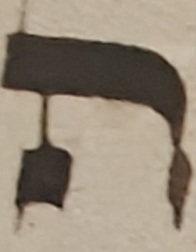
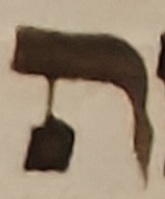
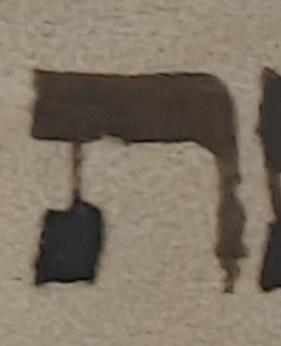
A közösségünkben dolgozó szakképzett izraeli szófer szerint – aki szintén nem látott még ilyen tekercset – ez a Tóra 400-500 esztendős lehet és esetleg Cfátról származhat. Érvelése szerint a különleges „táv” betű lehet erre a bizonyíték, amelyik a szófer szerint nem felel meg sem az askenáz, sem a szfárádi írásmódnak, hanem valamilyen ősi – mára elfeledett – kabbalisztikus rendszer szerint íródhatott.
In summary, with the few examples presented above, I have merely sought to offer a glimpse of the extraordinary letterforms that appear within just the first few columns of this remarkable Torah scroll.
According to the professionally trained Israeli sofer who works with our community — and who likewise told me that he had never encountered a scroll of this kind before — the Torah may be approximately 400–500 years old and could possibly have originated in Safed (Tzfat).
One of the features on which he bases this suggestion is the scroll’s highly unusual form of the letter tav. In his assessment, this particular tav does not conform to either the standard Ashkenazi or Sephardi scribal traditions.
He therefore raises the possibility that the scroll may have been written according to an ancient scribal tradition, perhaps influenced by a kabbalistic system of letterforms that has since fallen out of use or been forgotten.
At this stage, of course, both the proposed dating and the possible connection to Safed should be regarded as preliminary hypotheses rather than established conclusions. Nevertheless, the extraordinary and apparently systematic use of these unusual letterforms makes this scroll a fascinating subject for further paleographic, scribal, and historical investigation.
A Jóisten segítségével, nemsokára az egész könyv be lesz fényképezve, és akit érdekel, annak – természetesen – a rendelkezésére tudjuk bocsátani.
Radnóti Zoltán főrabbi, a Budapesti Rabbiság igazgatója
With God’s help, the entire Torah scroll will soon be photographed in high resolution. We will, of course, be happy to make the complete photographic documentation available to scholars, soferim, and anyone else interested in studying this remarkable scroll.
Rabbi Shmuel Radnóti
Chief Rabbi
Director of the Budapest Rabbinate


